Myth Busting
7 Winter Remedies Doctors Wish You Would Skip
• • 6 min read
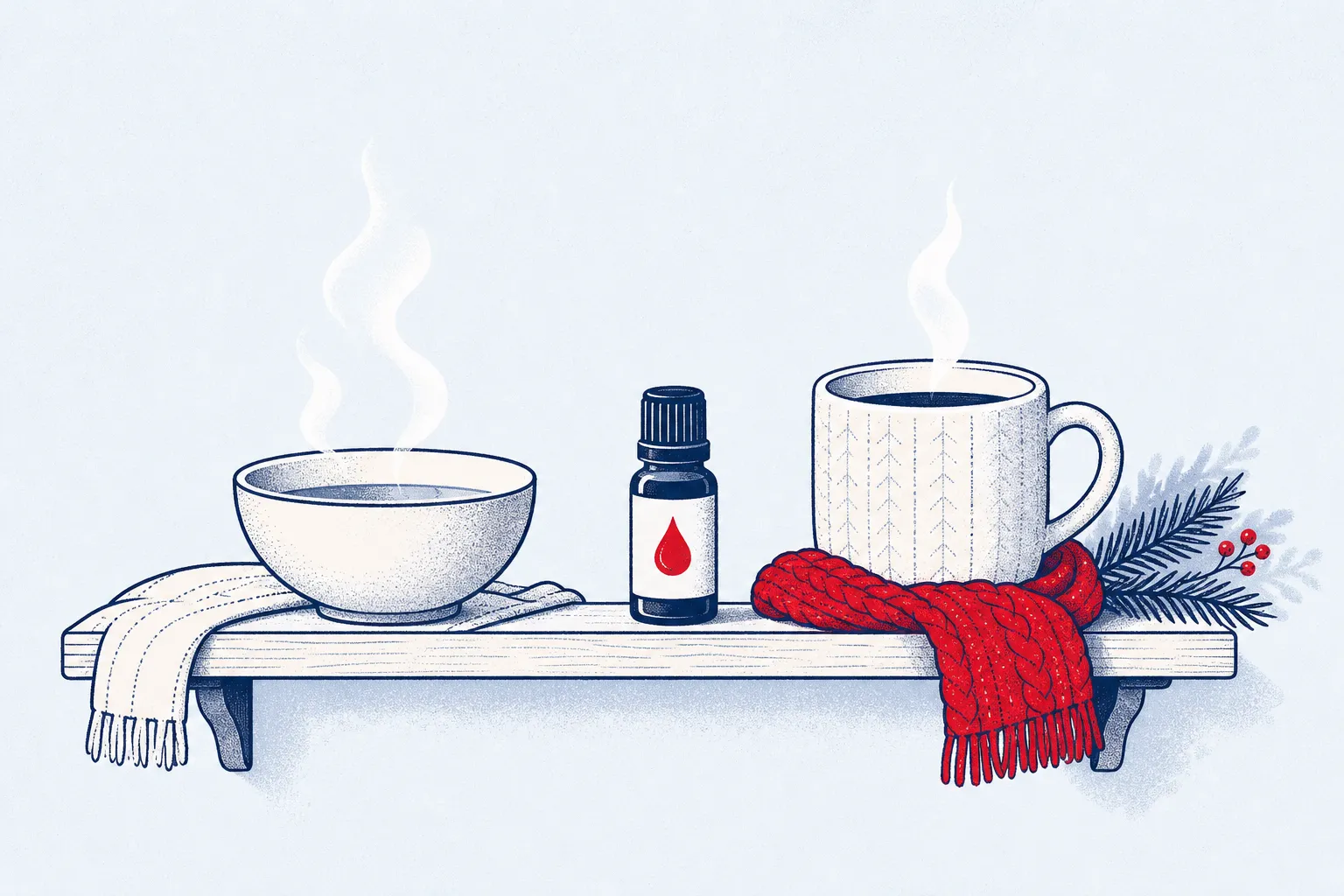
Before trying that old family cold remedy, check whether it actually helps or just creates a new problem.
Seven common winter remedies are best skipped: leftover antibiotics, rubbing alcohol or ice baths for fever, steam bowls, garlic in the nose or ear, swallowed essential oils, megadose supplements, and alcohol-based hot toddies. Most do not cure a cold or flu, and some can cause burns, poisoning, medication interactions, or delayed care. Safer comfort measures and a clinician's guidance are a better bet.
Antibiotics treat certain bacterial infections. They do not treat viruses, which cause most colds, flu cases, and many winter coughs.
Taking leftover antibiotics or borrowing someone else's prescription can cause side effects and may delay the right evaluation. It also contributes to antibiotic resistance, which means bacteria learn how to survive medicines designed to kill them.
A cough that feels especially miserable is not automatically bacterial. A clinician may need to review your symptoms, examine you, or order testing before deciding whether an antibiotic makes sense.
Wiping the skin with rubbing alcohol is an old fever remedy that should stay in the past. Alcohol fumes can be inhaled, and alcohol can also be absorbed through the skin. This is especially risky for children.
Ice baths are not a good shortcut either. Extreme cold can cause shivering, discomfort, and stress without treating the illness behind the fever.
For questions about fever reducers, ask a clinician or pharmacist and follow the product label. A fever in a baby younger than 3 months needs prompt medical evaluation.
Steam may make a stuffy nose feel temporarily better, but leaning over a bowl of boiling water creates a serious scald risk. One bump, slippery towel, or curious child can turn congestion relief into a burn injury.
A warm shower or a properly cleaned cool-mist humidifier can add moisture without balancing your face over boiling water. Saline nasal sprays may also provide temporary comfort when used according to their directions.
None of these options cures a respiratory infection. They are simply ways to make symptoms more manageable while the illness runs its course.
Social media periodically rediscovers garlic cloves in nostrils, onion pieces near ears, and other produce-based experiments. Your sinuses are not a slow cooker.
Garlic and onion can irritate sensitive tissue. Pieces can also become stuck, creating another problem without treating the original congestion or ear pain. Ear pain can have several causes, and putting food, oils, or household liquids into the ear may make an examination more difficult.
If something becomes lodged in a nose or ear, do not keep pushing at it. A clinician can determine how it should be removed safely.
Some people enjoy essential oils for their scent, but they are concentrated products. Swallowing them can cause poisoning, applying them directly may irritate or burn skin, and strong fragrances can worsen breathing symptoms for some people.
Essential oils can also interact with medicines. Children may be particularly vulnerable to accidental exposure, especially when colorful bottles are left within reach.
Natural does not automatically mean safe, gentle, or appropriate for every person. If an essential oil is swallowed or causes concerning symptoms, contact Poison Control at 1-800-222-1222. Call 911 for severe breathing trouble, collapse, or other emergency symptoms.
A large dose of a supplement does not force the immune system into high gear. High amounts of vitamin C can cause stomach problems and may increase kidney stone risk for some people. Supplements may also interact with prescription medicines or affect medical conditions.
Zinc deserves extra caution. Nasal zinc products have been linked with loss of smell. Oral zinc is different, but it can still cause side effects and interact with medicines.
Before taking high-dose supplements, ask a clinician or pharmacist whether they are appropriate for you. A label that says “immune support” is marketing, not a promise that the product will prevent or cure an illness.
Warm liquid can feel soothing, but the alcohol in a hot toddy is not cold medicine. Alcohol can contribute to dehydration, disrupt sleep later in the night, and interact with many prescription and over-the-counter medicines. It may also make it harder to notice that symptoms are getting worse.
A warm, alcohol-free drink is the safer source of comfort. Honey may soothe a cough for adults and children older than 1 year. Honey must never be given to a baby younger than 1 because of the risk of infant botulism, a rare but serious illness.
Simple measures usually beat dramatic remedies. Rest, fluids, warm drinks, saline products, and comfortable indoor humidity may ease symptoms. Over-the-counter medicines can sometimes help, but check labels carefully because multi-symptom products may contain the same ingredient under different brand names.
Seek medical advice when symptoms are severe, keep worsening, return after improving, or do not follow the expected course. A clinician can check for complications and determine whether testing or prescription medicine is appropriate.
Call 911 or go to the ER for emergency symptoms such as severe trouble breathing, chest pain, blue or gray lips, severe confusion, collapse, or difficulty waking someone. Urgent care is not a substitute for emergency care.
Cold Metro Detroit weather, icy roads, and short winter days can make even a routine illness feel more complicated. If symptoms are uncomfortable or worsening but not an emergency, HMC Urgent Care offers walk-in medical consultations and other services, including bloodwork and X-rays when clinically appropriate.
HMC is located at 7542 Wyoming Ave, Dearborn, MI 48126. Hours are Monday to Friday from 9 AM to 11 PM, and Saturday and Sunday from 11 AM to 11 PM. No appointment is needed, and patients with or without insurance are welcome. This can be useful for families coming from Dearborn Heights or Detroit during the busy school-year cold season.
HMC is not an emergency room. Call 911 or go to the ER for severe breathing difficulty, chest pain, severe confusion, collapse, or other emergency symptoms. If roads are icy, put safe travel ahead of saving a few minutes.
Can rubbing alcohol safely lower a fever?
No. Rubbing alcohol can be inhaled or absorbed through the skin, and it is particularly risky for children. Ask a clinician or pharmacist about safer fever care.
Do vitamin C, zinc, or essential oils cure a cold?
No supplement or essential oil reliably cures a cold. Some products can cause side effects, poisoning, loss of smell, or medication interactions.
Does HMC Urgent Care accept winter illness walk-ins?
Yes. Walk-ins are welcome without an appointment during regular hours, and patients with and without insurance are welcome.
This article is for general education and is not medical advice. For personal medical concerns, see a clinician.