Life Hacks
The Waiting Room Survival Kit: 9 Things Parents Wish They Packed Sooner
• • 5 min read
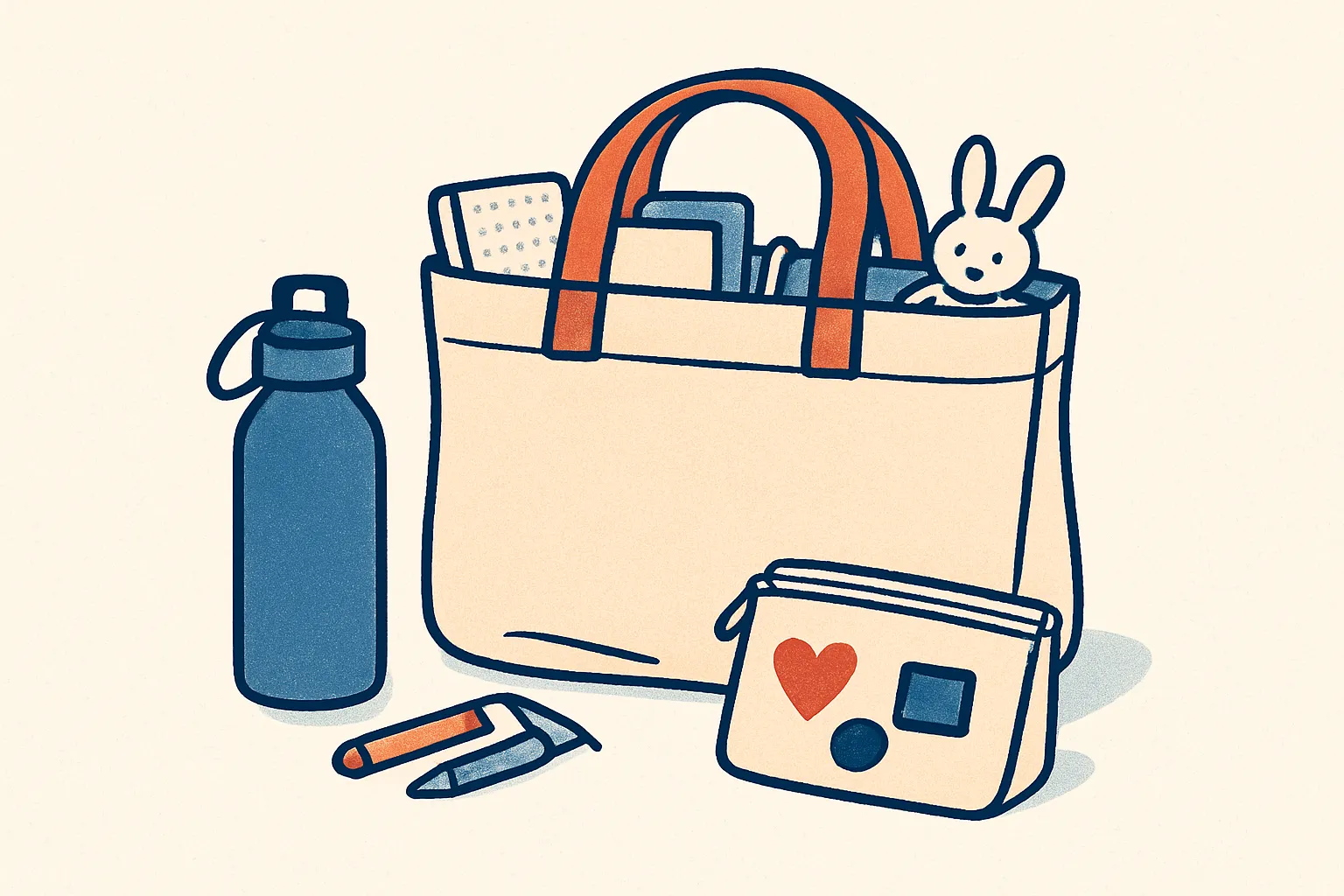
A little preparation can make the waiting room calmer for your child, easier for you, and kinder to everyone nearby.
The best waiting room survival kit covers four basics: information, comfort, entertainment, and cleanup. Pack the nine items below in one small tote, and your next urgent care visit may feel much more manageable, even if someone is tired, sniffly, or deeply offended by socks.
Urgent care visits are not always predictable. You may be seen quickly, or the care team may need to help someone with a more urgent medical concern first. Having a few useful items gives your child something familiar to hold, eat, wear, or do while you wait.
The goal is not to bring your entire house. It is to pack one light bag that handles the most common parent problems without creating a new problem called carrying six bags and a winter coat.
Keep your photo ID, insurance card if you have one, and any forms you may need in a simple zip pouch. Add the name and phone number of your child's primary care clinician. Patients can still ask about care if a card is missing, but having key information together makes check-in easier.
Use your phone or a small card to list current medicines, allergies, medical conditions, and recent symptoms. Include when the problem started and whether anything changed today. When a child is crying and your brain has left the building, a written note is far more reliable than memory.
Your phone may hold insurance details, pharmacy information, school contacts, and your calendar. It may also contain the one video that restores peace to the known universe. Pack a charging cable or a small power bank, and recharge it after each visit.
Choose something compact and age appropriate, such as a coloring pad, reusable sticker book, puzzle book, or downloaded show with headphones. Downloads are helpful when service is slow or public Wi-Fi is unavailable. Skip toys with sirens, glitter, or thirty rolling pieces. The waiting room has suffered enough.
A small blanket, soft toy, or favorite book can make an unfamiliar setting feel safer. Pick something washable and easy to recognize. If the treasured item is impossible to replace, consider packing the second favorite rather than risking a dramatic parking lot reunion mission.
Bring a spill-proof water bottle and a simple, age appropriate snack. Avoid foods that crumble, melt, or require serious table manners. Before your child eats or drinks, check with the care team. Certain symptoms, tests, or procedures may make eating a poor choice at that moment.
Pack tissues, wipes, a few paper towels, and sealable plastic bags. The bags can hold wet clothing, used tissues, or the snack that was loved five minutes ago and is now unacceptable. For younger children, include the usual diaper supplies in a compact amount.
One lightweight outfit can save the day after a spill, bathroom accident, nosebleed, or upset stomach. Include underwear and socks when appropriate. In a Michigan winter, an extra pair of dry socks earns its place in the bag surprisingly often.
Hand sanitizer, tissues, and a child-sized mask can be useful. A mask may be appropriate for a child who can wear one safely, especially with coughing or other respiratory symptoms. Follow clinic guidance, and wash or sanitize hands after shared surfaces and before eating.
You do not need a different bag for every child. Swap a few items as they grow.
For babies and toddlers, focus on diaper supplies, a change of clothing, a comfort object, and one quiet toy. For school-age children, activity books, headphones, and a simple snack tend to earn their space. Teens may prefer a charger, headphones, water, and a little control over what they bring.
Let older children pack their own quiet activity. They may be more willing to use it if they chose it, even if their selection process takes longer than the actual visit.
A survival kit improves comfort, but it does not replace medical attention. Tell clinic staff right away if symptoms suddenly worsen while you are waiting. The team can reassess what is happening and decide what level of care is appropriate.
Urgent care is not the right destination for every emergency. Call 911 or go to the ER for emergency symptoms such as severe trouble breathing, unresponsiveness, blue or gray lips, or severe bleeding that will not stop. When you are unsure about a personal medical concern, speak with a clinician.
Store the kit near the door or in the car only when temperatures are safe for its contents. Check it every few months. Replace expired snacks, recharge the power bank, update the medicine list, and return any activity that quietly migrated to the living room.
Use small pouches inside the tote so you can reach what you need without unloading everything onto a waiting room chair. One pouch for paperwork, one for cleanup, and one for activities is usually enough.
HMC Urgent Care provides medical consultations, X-rays, bloodwork, physicals, vaccinations, and other services in Dearborn. You can check our location and hours before leaving home.
No appointment is needed. Just walk in to HMC Urgent Care in Dearborn. Patients with and without insurance are welcome.
This article is for general education and is not medical advice. For personal medical concerns, see a clinician.